Great ideas are a dime a dozen in tech. Exceptional execution is not.
After studying hundreds of founder journeys, i've seen a pattern: The greatest founders aren't just visionaries, they're executors who move with relentless speed, leverage powerful networks, and possess an uncanny ability to time their entry within the technology window.
I've spent years obsessively learning from these dudes because it's a no-brainer—why spend 30 years making mistakes when you can compress those lessons into actionable insights and execute like crazy? Here's what truly separates the exceptional founders from the rest:
Speed: The Ultimate Competitive Advantage
The most valuable trait of what venture capitalists call a “savage founder” isn’t working 100-hour weeks—it’s emotional flexibility and decisiveness that drive velocity toward success.
Speed requires abandoning failing ideas quickly, not becoming emotionally attached to your original vision. Most founders fail because they can’t pivot fast enough when market feedback demands it. They get stuck defending their initial concept rather than pursuing what actually works.
This often requires what might be called a “fuck it” moment—that clarity that comes when you finally release your ego investment in one approach and commit fully to what the market is telling you.
Traditional education trains us to fear being wrong. We’re taught to avoid mistakes rather than embrace rapid experimentation. Unlearning this mindset is crucial for entrepreneurial speed.
Networks Are Everything
Don’t think of yourself as choosing a job or industry—think of yourself as choosing a network. This perspective shift changes everything.
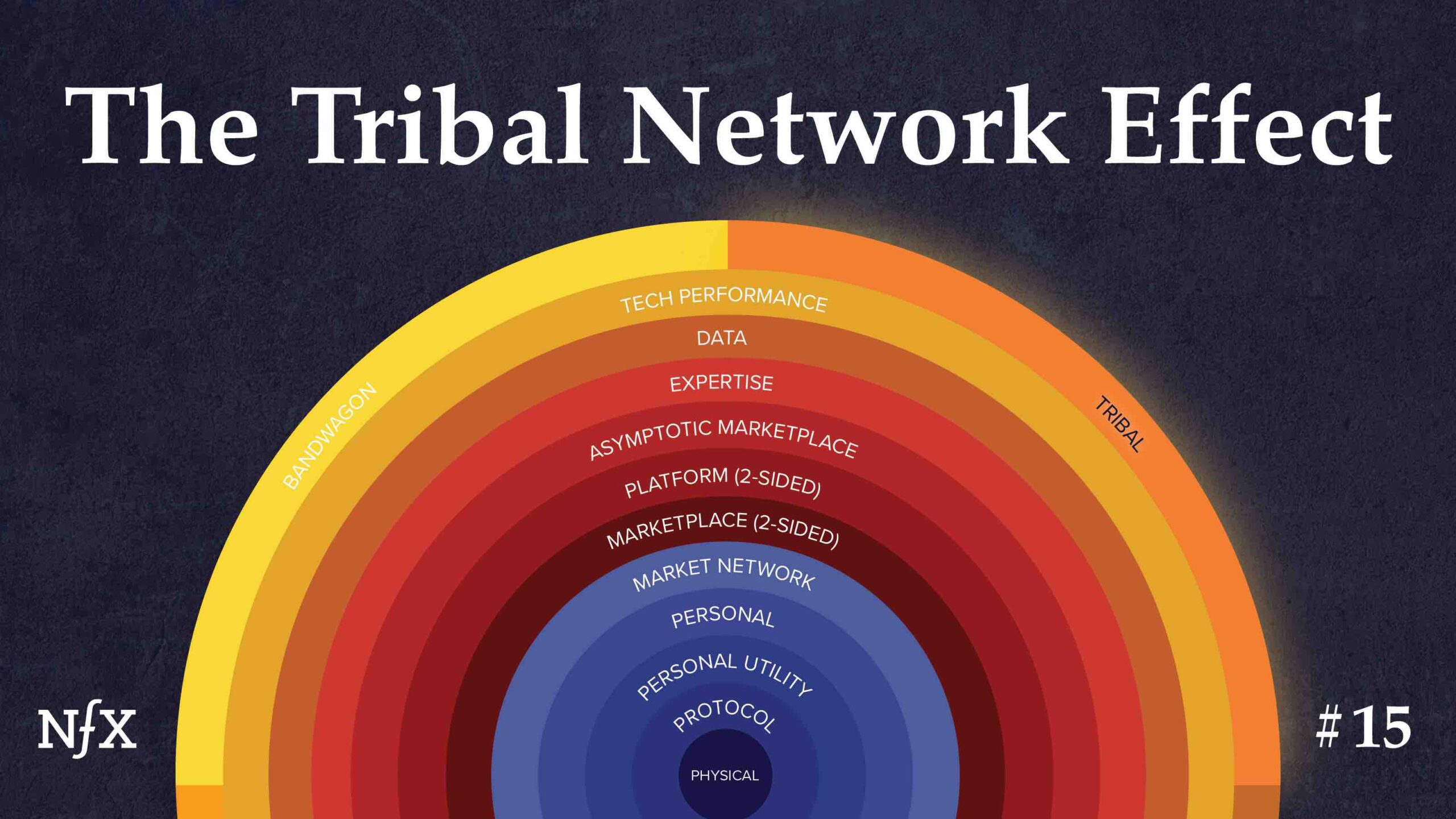
Network effects represent one of the most powerful sources of business defensibility. Every new user makes your product more valuable for everyone else. Think Facebook, Twitter, or Microsoft’s operating systems. Once these networks reach critical mass, they’re nearly impossible to displace.
Your personal life operates on the same principle. Most people are essentially “a function of a primary-six (6) friend” who put them on a different path. The myth of the self-made individual ignores how profoundly our networks shape our opportunities and worldview.
This network reality extends to geography as well. Despite remote work trends, most significant tech returns have come from the Bay Area (90% to be exact)—not just because of capital concentration, but because of a fundamentally different operating speed and mindset. Leaving solely to avoid taxes might cost you far more in lost opportunity than you save in tax burden.
The Technology Window
Timing matters enormously. Most world-changing companies arise by leveraging a specific technology wave within its open “window”—a predictable cycle that eventually closes.
These windows follow consistent phases:
- Hobbyist phase (early enthusiasts)
- Status/money phase (initial commercialization)
- Diffusion phase (mainstream adoption)
- Competition phase (market saturation)
- Incumbent phase (consolidation)
Being too early means building infrastructure others will profit from later. Being too late means fighting entrenched competitors with established networks. The sweet spot is catching the wave at precisely the right moment.
Right now, significant opportunities exist in robotics, tech bio (software-driven biology), and AI applications. The technology window for consumer AI experiences is just opening, while the tech bio window will likely remain open for years to come.
Language Shapes Reality
Building a great product is necessary but insufficient. You must consider language and communication from day one.
The words you choose to describe your product can dramatically lower acquisition costs and increase lifetime value. Names matter more than most founders realize—test them rigorously with potential users.
Language doesn’t just describe reality; it shapes it. Sometimes telling a “lie” about a feature you don’t yet have can motivate your team to build it quickly, fulfilling the promise you’ve made through language.
The Savage Mindset
Being “savage” as a founder means embracing a particular kind of competitiveness—aggressive, persistent, and often disagreeable. This isn’t about being unethical, but about having the courage to pursue your vision despite resistance.
The most successful founders often display a healthy disregard for conventional wisdom. They’re willing to be unpopular and push out those who aren’t fully committed to the mission.
They also embrace what mountaineers call “type two fun”—experiences that involve suffering in the moment but feel rewarding in retrospect. Building a company is the ultimate type-two fun.
Application Over Foundation
While much attention goes to foundational technology (like AI models), the juiciest opportunities often exist in the application layer. Processing power eventually becomes commoditized—just look at cloud computing today versus twenty years ago.
Focus on building network effects around specific vertical applications that incumbents won’t prioritize. Data network effects for AI aren’t as defensible as many believe, but user networks certainly are.
Life Beyond Business
Despite the focus on business success, deep friendships ultimately matter more than vast wealth. The difference between your life and a billionaire’s is “99% in your mind.” You can choose to live a “billionaire life” in terms of experiences regardless of financial status.
Decide what kind of life you want: fun normal, fun strive, or global greatness. All can be fulfilling if aligned with your values. Focus on being generative—creating value and moving things forward, regardless of the scale.
The Bottom Line
Success in today’s entrepreneurial landscape demands speed, strong networks, perfect timing, and powerful language. But beyond the metrics of business achievement lies a deeper truth: the quality of your relationships and your ability to generate positive impact define a truly successful life.
Whether you’re building the next unicorn or simply seeking to create value in your corner of the world, these principles apply. Move fast, build strong networks, catch the right technological wave, choose your words carefully, and never forget that the journey itself—not just the destination—defines your legacy.